How to Read a Wedding Invitation’s Dress Code
Learn how to read a wedding invitation dress code, separate formality from personal choices and choose an outfit that feels appropriate and comfortable.
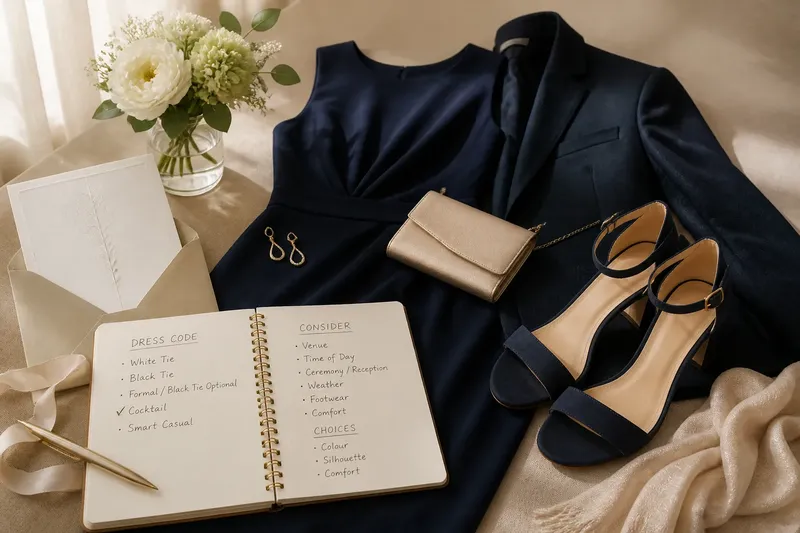
A wedding invitation’s dress code sets a level of formality; it does not dictate your colour, silhouette or tolerance for stiff shoes. Reading a wedding invitation dress code is easier once you separate those two things: what the event expects, and how you want to dress within that expectation.
Start with the exact wording, then consider the venue and time of day. Treat those details as context, not as secret instructions. An invitation can establish the general register, but it rarely specifies every garment or accessory.
Read the stated formality
Dress-code terms describe how dressed-up guests are expected to look. They are broad conventions, not a uniform. The host’s wording takes priority over assumptions based on the venue or what guests wore at a different wedding.
- White tie signals the most formal evening dress. Guests may be expected to wear full-length formal attire, with traditional options such as a tailcoat for men and an evening gown for women.
- Black tie usually means formal eveningwear. A tuxedo or dinner jacket is a conventional choice; a formal floor-length gown is one option, while a refined formal suit or evening separates may suit some guests and events.
- Formal or black-tie optional allows room for a dark, well-cut suit as well as black-tie clothing. The invitation gives guests latitude rather than a reason to dress casually.
- Cocktail generally sits below formal eveningwear. A suit, dress, or polished separates can fit, with the fabric and finish doing much of the work.
- Smart casual is less exact. It usually rules out very casual everyday clothing while allowing a neat outfit that is not eveningwear.
These are useful starting points, not a list of compulsory items. If the invitation gives a specific instruction, such as “black tie”, do not quietly replace it with a looser interpretation because the reception is in a garden.
Use context carefully
Venue and timing can clarify an ambiguous phrase. An evening reception in a grand hotel may lean dressier than a daytime gathering in a village hall. A ceremony on grass or sand makes practical footwear more relevant. Neither detail cancels a stated dress code.
Look for other useful cues: the invitation’s wording, whether the event includes a formal dinner, and any note about the ceremony or reception. A destination wedding may call for breathable cloth and shoes suited to the setting, while still expecting guests to look polished. “Beach formal” is not the same as beachwear.
If the wording is unclear, ask the couple or the person named for guest queries. A brief question such as “Would a dark suit be right for the evening?” is easier to answer than asking someone else to choose your entire outfit. For an invitation with no dress code, use the venue and timing to make a restrained judgement, then check with the host if you remain unsure.
Choose personal details
Once the formality is clear, make decisions about colour, silhouette and comfort. These are choices within the dress code, not tests of whether you have understood it.
Which colours are appropriate?
White is often avoided because it may compete with the couple’s clothing, but expectations can vary, particularly where cultural traditions differ. Unless the invitation specifies a palette, choose a colour that suits the occasion and avoid treating a requested colour as permission to wear anything in it.
How should the silhouette fit?
Choose a shape you can sit, walk and move in without constant adjustment. A formal dress code does not require a particular hemline or cut, and a well-finished suit or set of separates can look just as considered as a dress.
What if comfort matters most?
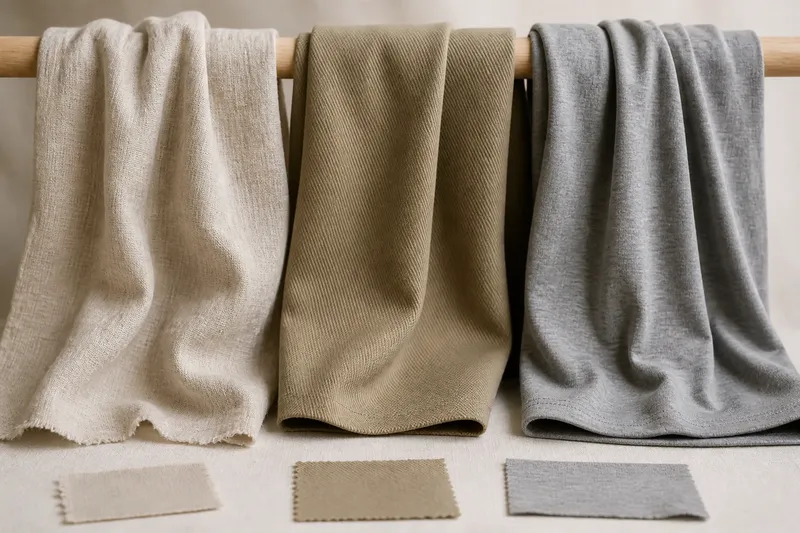
Comfort can come from fabric, fit and sensible accessories without changing the formality. Consider a breathable lining, shoes you can manage on the venue’s flooring, and a layer for a cool evening.
Keep comfort in view
It helps to judge the outfit as a whole rather than relying on one item to signal formality. A satin blouse with tailored trousers may read as eveningwear when the cut and finish are refined; trainers can pull the same outfit towards casual. The details work together.
Say you are invited to an evening “cocktail” wedding at a country hotel and expect to move between a lawn and a dining room. You might choose a knee-length navy dress in a fabric that holds its shape, add a light jacket, and wear block-heeled shoes. The outfit follows the stated level while allowing for the setting; a change to flat shoes would be a personal comfort decision, not a different dress code.
Before the event, sit down in the outfit, walk a short distance and check that fastenings and layers stay comfortable. This is especially useful for long ceremonies and receptions, where a jacket carried all evening or shoes that make walking awkward can become the main event for you, if not for anyone else.
When should you ask?
Does the venue override the dress code?
No. Use the venue to interpret unclear wording and plan for practical conditions, but follow an explicit dress-code instruction. A formal venue is a clue, not a replacement for what the invitation says.
Can you wear black to a wedding?
Often, yes, particularly for an evening event, but local customs and the couple’s preferences may differ. If the invitation names a colour scheme or asks guests to avoid particular colours, follow that request.
What if the invitation gives no dress code?
Use the time, venue and type of event to choose neat clothing that does not look more casual than the occasion. If those cues point in different directions, ask the host rather than guessing from photographs of other weddings.
Should you match the wedding party?
You do not need to match the wedding party unless you have been asked to wear a particular colour or outfit. Choose something that sits comfortably alongside the occasion without trying to resemble a member of the ceremony.
Make the final choice
Read the dress-code phrase first, then use context to settle any ambiguity. Once the expected formality is clear, choose colour, silhouette and comfort according to your own needs. That is the useful distinction in a wedding invitation dress code: the host sets the register, while you decide how to dress within it.
If you are choosing between two outfits, pick the one that meets the stated formality and lets you take part without fuss. A wedding is an occasion for attention to the couple, not for spending the reception negotiating with a troublesome hem.